When I was 9, I was visiting my mother’s friend and saw a book unraveling a few of painting classics. I couldn’t take my eyes off it, so the friend gave me the book that I still have to this day, 30 years later.
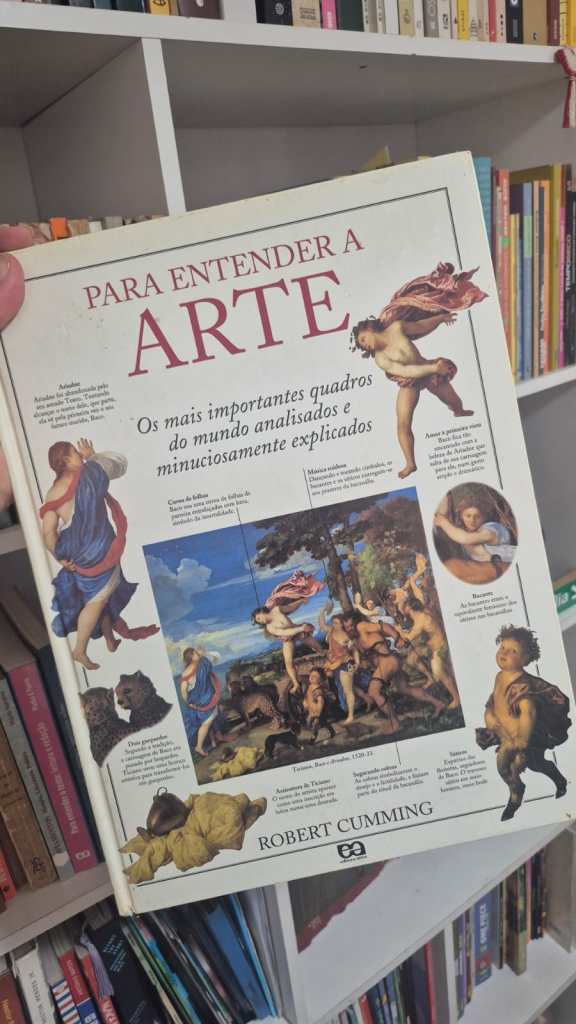
There was a painting called Vanitas by Steenwyck, and it was the first time I learned about Dead Nature. I had one such painting at home, so I was very much intrigued. We had this huge collection of encyclopedias, so I dived right into it. It turns out that Dead Nature was a way for artists to show their abilities into a motif that could be compared to others’ works.
Then, I started going to museums around the world and learned that English and Deutsch-speaking countries called them differently. Yes, my Dead Nature was another’s Still Life.
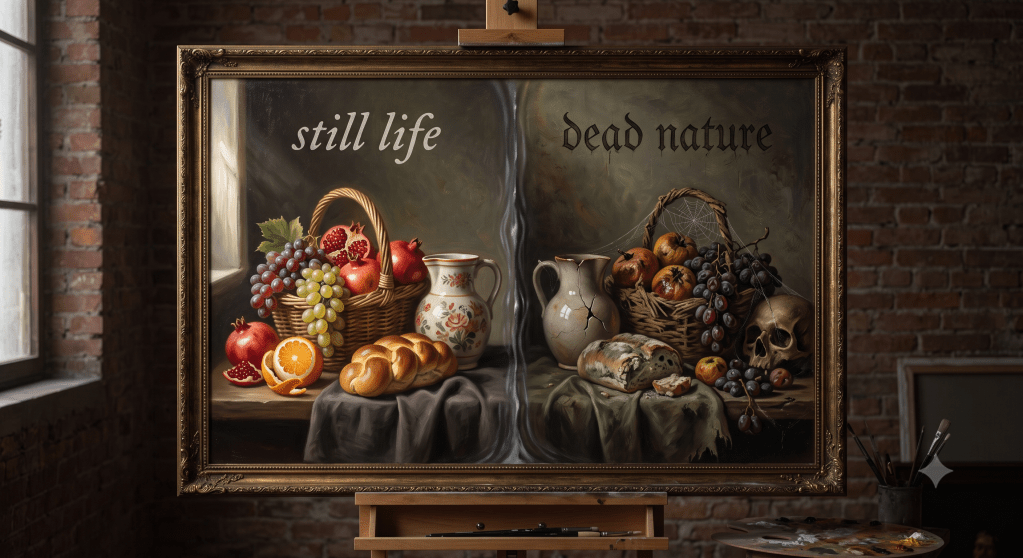
It made me think a lot. Why does one culture look at it and comes up with an immobilized “life” while another views decaying “death”? And what would I choose calling it? What do I see?
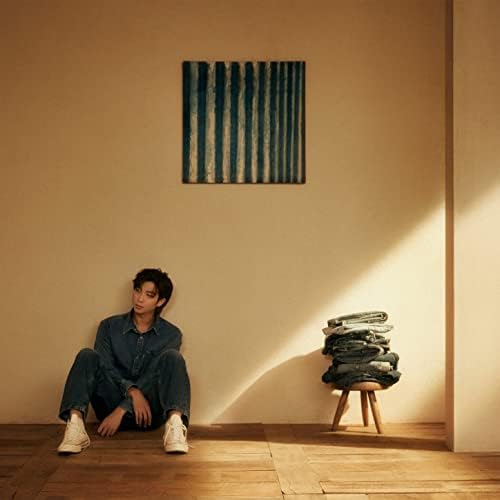
RM’s interview reconceptualizing it as “still, life” was eye opening to me. Breaking away from being still, keep moving forward.
I must say that regrets come naturally to me.. That is the worst part of being me. In the end, you have to go to sleep understanding that you are choosing life, but it is a painful choice every time. I wish I could be more like Jin. And if I can’t just let go like Jin does, I wish I could understand less the ramifications of my every expression.
RM, if by any chance you are reading this, I think you would appreciate the work of Brazilian poet Carlos Drummond de Andrade, especially to the poetry book “Rosa do Povo”, in English “The flower of the People” His work is open licensed now, so I have taken the liberty to put one of my favorites poems from the book here. It could also be called “Still, Life” if the title would stay at the bottom of the page. Would you agree?
The Flower and the Nausea
by Carlos Drummond de Andrade
Imprisoned by my class and my clothes
I go in white through the gray street
melancholy men, shopkeepers peer at me.
Should I continue until I sicken?
Can I, unarmed, be revolted?
Dirty eyes on the clock tower:
No, the time has not come for full justice
It is still the time of excrement, bad poems, hallucinations and hope
The poor time, the poor poet
Stuck in the same impasse
In vain I try to explain myself, the walls are deaf
Under the skin of words there are ciphers and codes
The sun consoles the sick and does not renew them
The things. How sad are things, considered out of context
They’ll vomit this tedium across the city
Forty years and not a single problem
resolved, not even close
Not a single letter written nor received.
All the men return home.
They are less free but they carry newspapers
and decipher the world, knowing that they’ve lost it.
Crimes of the earth, how does it forgive them?
I took part in many, from others I hid
Some I thought were beautiful, they were published.
Gentle crimes, that helped me live
The daily ration of error, distributed at home
The feral bakers of evil
The feral milkmen of evil
Set it all aflame, including myself
To the boy of 1918 they called an anarchist
However, my hate is better than me
With it I save myself
and give at least a little faint hope
A flower rose from the street!
Far away they pass by, trams, buses, rivers of steel traffic
A flower, though faded
Evades the police, breaks the asphalt
Be completely silent, stop your business
I assure you that a flower rose
Its color is unnoticed
Its petals don’t open
Its name is not in the books
It is ugly. But it is truly a flower
I sit on the ground in the country’s capital at five in the afternoon and lightly pass my hand over this frail thing.
Beside the mountains, dense clouds swell
Little white points dance on the surface of the sea, startled chickens
It is ugly. But it is a flower. It pierced the asphalt, the boredom, the disgust and the hate.


Leave a Reply